


The "Perfect" Candidate Does Not Exist (And That Is Okay)
Many companies wait months to find the "perfect" candidate. We explain why this is a mistake and why the "80% Rule" is a better strategy for 2026.
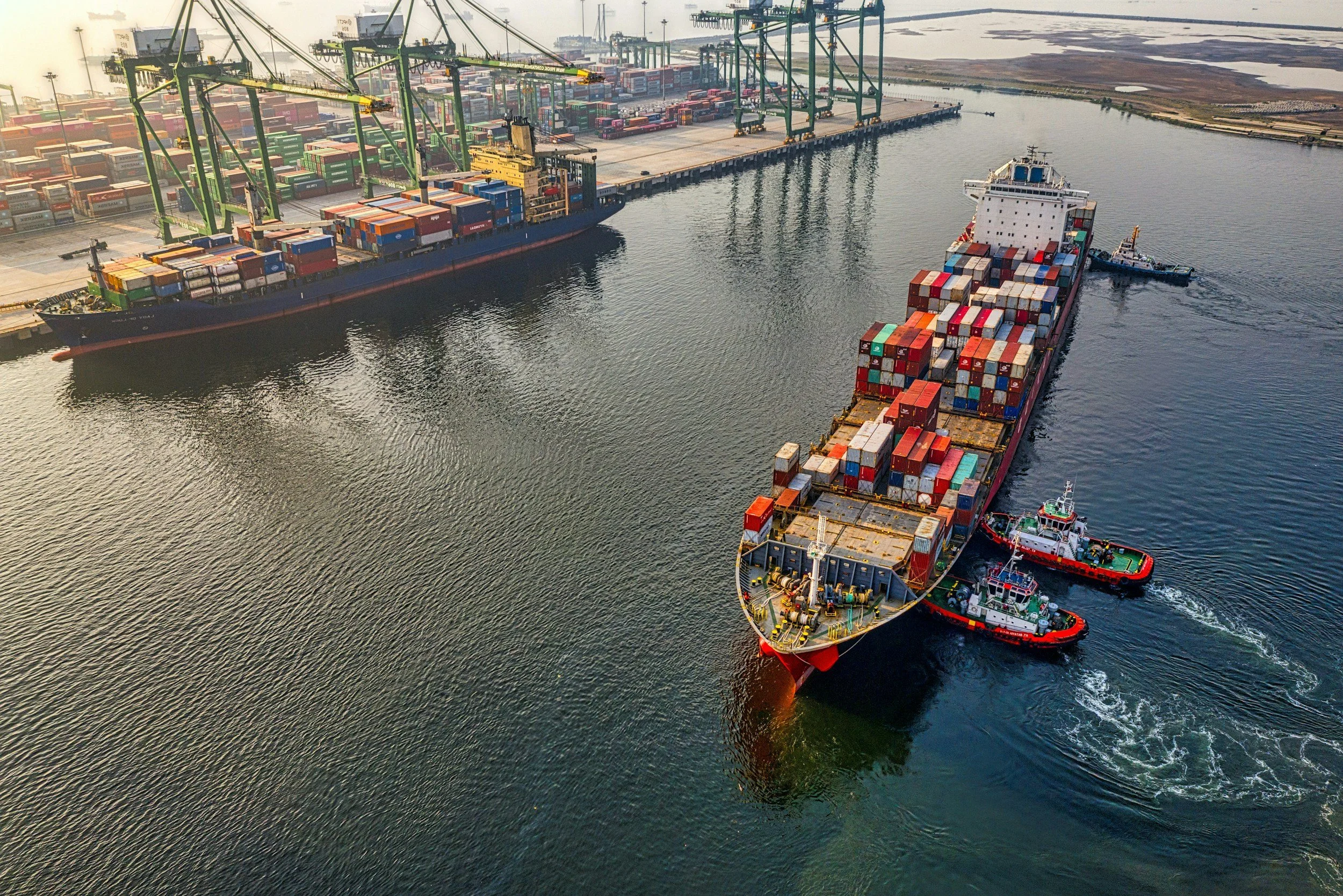
The Salary Trap: Why Higher Pay Will Not Fix Your Staff Turnover
Offering more money is often just a short-term fix. We look at why the "Counter-Offer" rarely works and what top maritime staff actually want in 2026.
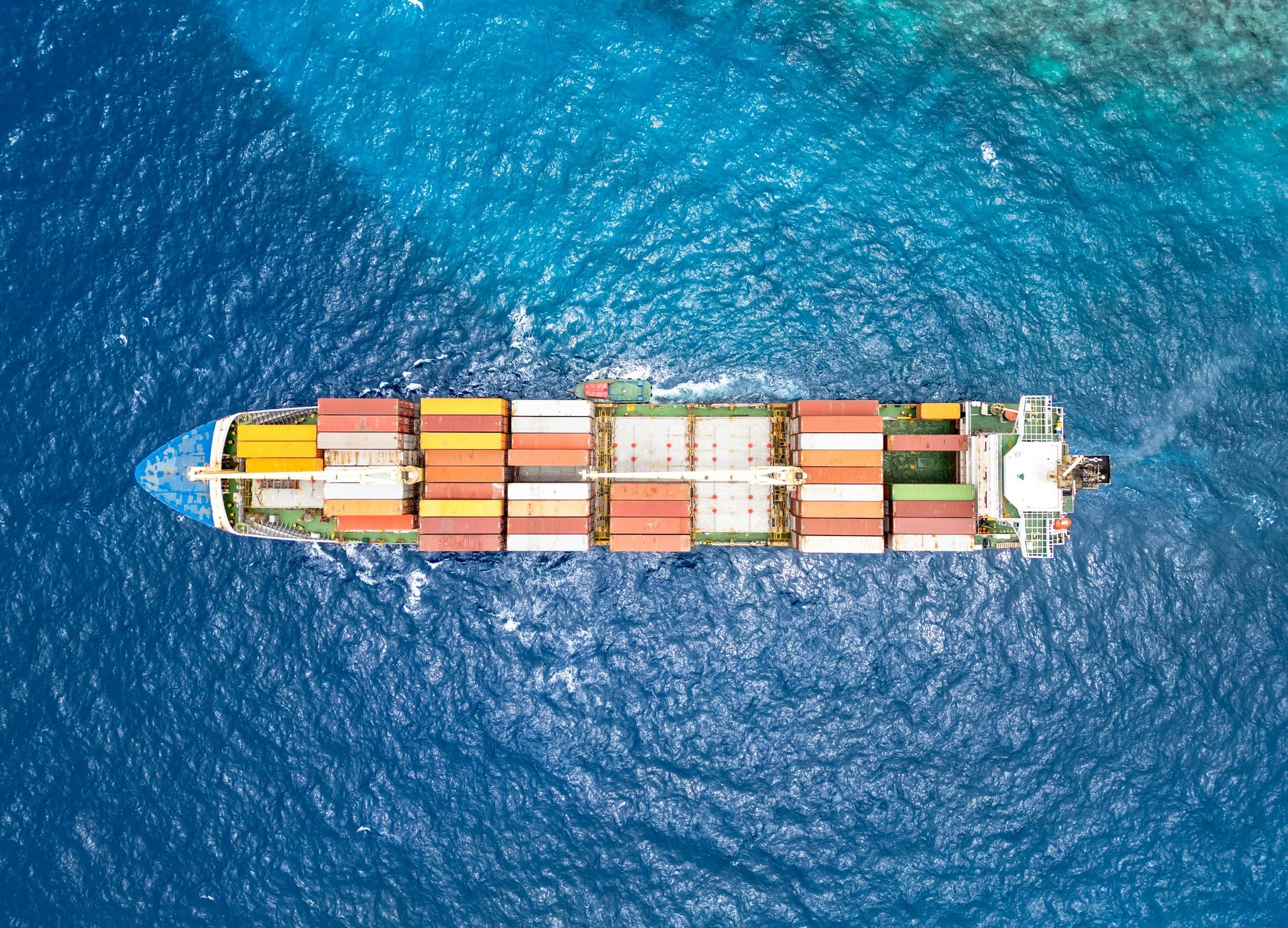
The Hidden Risk in Your Hiring Process (And How Data Fixes It)
The "Interview Star" often turns into the "Bad Hire." Learn how Tetrus Recruiting uses psychometric testing to reveal the hidden traits that standard interviews miss, eliminating the "Wildcard Factor" from your hiring process.
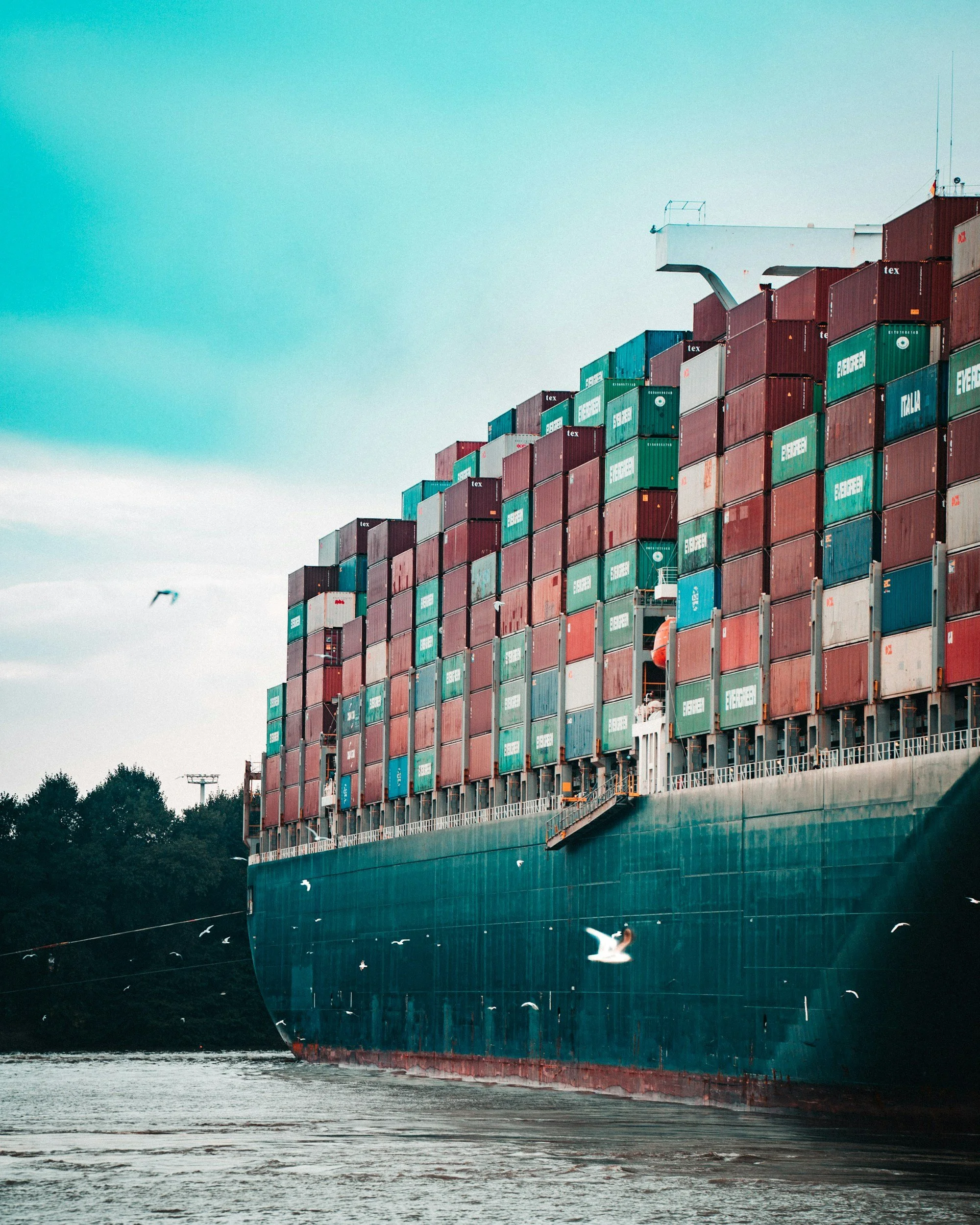
Stop Hiring Resumes. Start Hiring the Right Fit.
A resume tells you what a candidate has done, but not who they are. Discover how Tetrus Recruiting uses psychometric testing and rigorous behavioral interviews to eliminate guesswork and find the missing piece to your corporate puzzle.
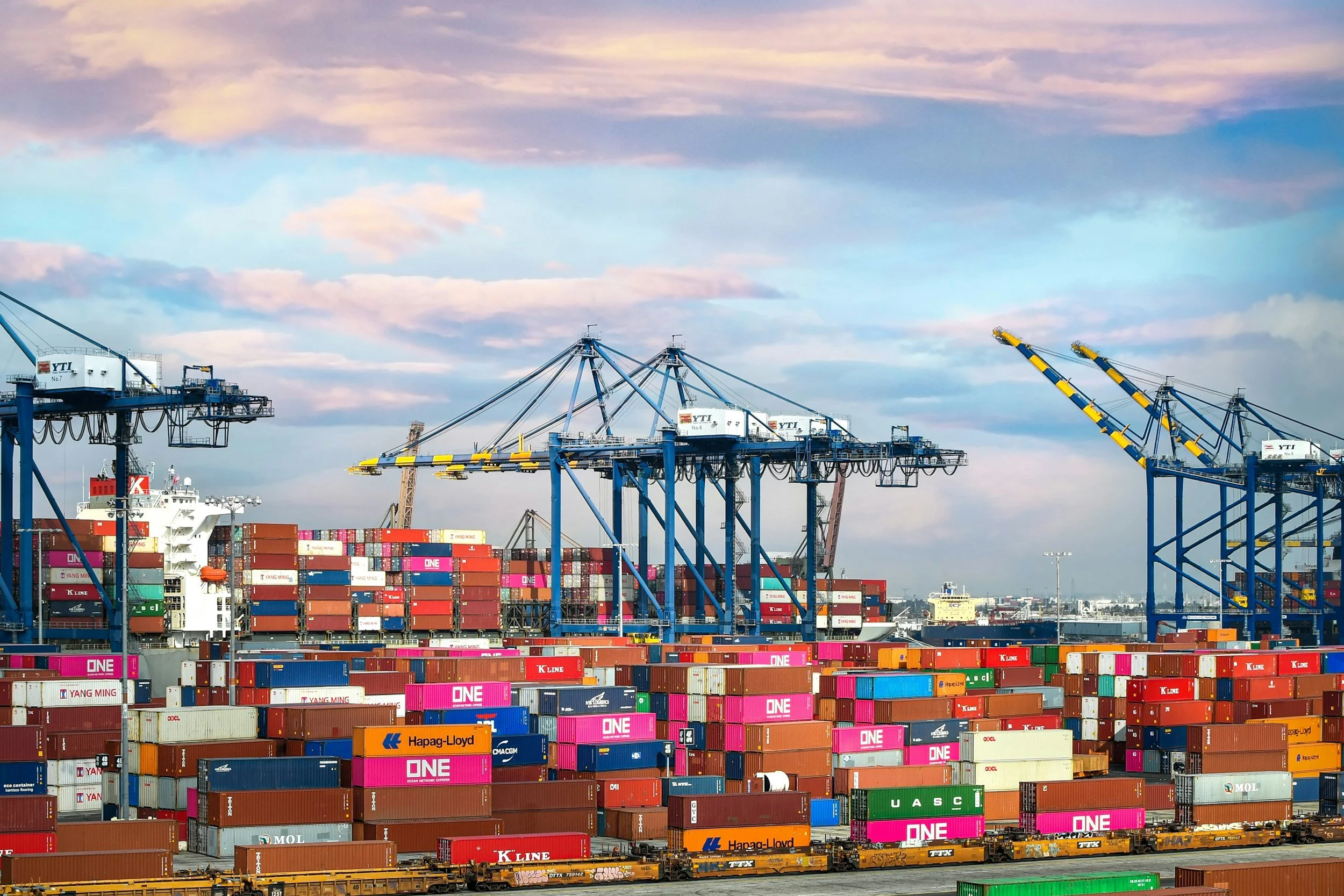
The Great Disconnect: Why Companies Can’t Find Talent and Candidates Can’t Find Growth
Employers cite a talent shortage. Candidates cite a lack of growth. How can both be true? We explore the "Great Disconnect" in the maritime workforce and how Tetrus Recruiting plans to bridge the gap in 2026.
U.S. Introduces Comprehensive Tariff Plan
On April 2, 2025, former President Donald Trump announced a new tariff policy that imposes a 10% baseline tariff on all U.S. imports, along with higher rates for goods from around 60 countries. The move is expected to raise overall import tariffs by 15–20%, with significant implications for global trade flows.

Navigating New Waters: Key Developments in the Maritime Industry as of April 2025
As the maritime world faces rising environmental pressures, volatile tariffs, and shifting technological tides, April 2025 marks a turning point for global shipping. From proposed carbon taxes to steel price shocks, here’s what’s making waves across the industry.

From Job Description to Job Offer: Why Consistency Matters in Recruitment
From job listing to offer letter, consistency in recruitment builds trust, improves candidate experience, and leads to better hires. Here's why aligned messaging at every stage matters—especially in specialized industries like maritime.

Why Clear Job Descriptions Are a Non-Negotiable in Recruitment
Clear job descriptions don’t just attract talent—they attract the right talent.
When roles are defined with clarity and purpose from the start, recruitment becomes faster, smoother, and far more effective. Vague descriptions lead to mismatches; clear ones lead to confident hires.

Digital Transformation in the Maritime Industry: Why It Matters Now More Than Ever
The maritime industry is at a turning point. Digitalization is no longer a future trend — it’s a present necessity. From smart ships and real-time analytics to predictive maintenance and sustainability tracking, technology is transforming how shipping companies operate. Those who embrace this change will steer the future of maritime.

The Hidden Costs of Micromanagement: Why Less Control Can Mean More Success
Micromanagement might seem like a way to maintain control and ensure quality, but in reality, it often does more harm than good. From lowering employee morale and stifling creativity to damaging trust and increasing turnover, the long-term effects can seriously hinder your team's performance. Learn why stepping back and empowering your employees leads to better results — and how to spot the signs before it’s too late.

The Power of First Impressions: Why Recruiters Should Be More Open and Engaging at Career Events
Career fairs, open career days, and industry networking events serve as a bridge between talent and opportunity. However, too often, recruiters approach these events with a transactional mindset—focusing solely on collecting resumes rather than engaging with potential candidates. A warm, open, and approachable presence not only builds trust but also strengthens employer branding and improves the candidate experience. In a competitive job market, recruiters who prioritize human connection over purely transactional interactions create lasting impressions that benefit both their company and the candidates they meet.

Why Soft Skills Matter More Than Ever in Today’s Maritime Recruitment
In the evolving maritime industry, soft skills like crisis management, emotional intelligence, and cross-cultural communication are becoming just as important as technical expertise. As companies navigate digital transformation and global challenges, professionals who can adapt, collaborate, and lead effectively are in high demand. Today’s maritime recruiters are increasingly seeking candidates who excel not only in their technical roles but also in their ability to drive relationships and manage complexity. The future of maritime recruitment is all about balancing technical know-how with human-centered skills that truly set professionals apart.

Navigating the Talent Shortage in the Maritime Industry: Challenges and Solutions
The maritime industry, a cornerstone of global trade, is facing an increasing challenge—securing the right talent. As the sector evolves with technological advancements and regulatory changes, companies are struggling to fill key positions with qualified professionals. The growing talent gap presents a major hurdle, impacting efficiency, safety, and long-term sustainability.
The Shipping Industry Has Transformed—Is Your Career Keeping Up?
The shipping industry you knew 25 years ago? Gone. Many companies have vanished, while a few giants have taken over. But with change comes opportunity—especially for maritime professionals.
As fleets grow and operations become more digital, companies are looking for talent that can keep up. Careers are shifting beyond the sea, with booming demand for logistics experts, compliance specialists, and digital analysts. In this evolving market, adaptability matters more than years of experience.
The future belongs to those who embrace change. Are you ready?
Navigating the Talent Shortage in Maritime: What’s Next?
Navigating the Talent Shortage in Maritime
The maritime industry faces a growing talent shortage as retirements outpace new entrants. Companies must adapt by rethinking recruitment, investing in training, and leveraging technology. Proactive hiring, upskilling initiatives, and strong employer branding can help bridge the gap. Those who embrace strategic talent acquisition will navigate these challenges successfully and secure a skilled workforce for the future.
The Hidden Job Market in Maritime Recruitment: Why Top Talent Is Never Advertised
Many of the best maritime job opportunities never make it to public job boards. Instead, they are filled through industry connections, headhunting, and private referrals. This hidden job market plays a crucial role in how top professionals move between companies. Understanding how it works can be a game-changer for companies seeking talent and professionals looking for their next career move.

Empowering the Workforce: The Strategic Value of Company-Supported Education in the Maritime Industry
Empowering the Workforce: The Strategic Value of Company-Supported Education in the Maritime Industry
In the ever-evolving maritime industry, companies must invest in the continuous development of their workforce to stay competitive. Offering employees access to company-supported education programs helps businesses stay ahead of industry trends, enhance operational efficiency, and foster a culture of growth and innovation. By investing in relevant courses and certifications, companies not only ensure regulatory compliance and improve safety but also attract and retain top talent. Ultimately, supporting employee education builds a foundation for long-term organizational success, driving both individual and business growth.

The Maritime Skills Gap: Why Upskilling is Essential for Industry Professionals
The maritime industry is evolving rapidly, with technological advancements, environmental regulations, and global trade shifts driving change. However, these transformations also expose a critical challenge: the maritime skills gap. Professionals need to upskill to remain competitive and meet the growing demands of modern operations.
From autonomous vessels and digitized port systems to stricter compliance regulations, maritime professionals must adapt. Upskilling in emerging technologies, regulatory knowledge, and sustainability not only enhances individual career prospects but also strengthens overall industry efficiency and innovation. Continuous learning is key to navigating this dynamic landscape and ensuring long-term success.

Why Maritime Companies Should Hire Maritime Recruiters
Why Maritime Companies Should Hire Maritime Recruiters
Recruiting in the maritime industry presents unique challenges that general recruiters may not fully understand. Maritime recruiters offer deep industry knowledge, access to specialized talent pools, and expertise in handling the intricacies of maritime regulations and certifications. Their established networks of qualified professionals enable faster and more efficient hiring, while also reducing time-to-hire and ensuring compliance with international standards. By outsourcing recruitment to a maritime specialist, companies can focus on their core business activities, saving time and costs in the long run while securing the best talent for their operations.